+2% EXTRA DISCOUNT FOR BUYING ONLINE


How to strengthen your value proposition in HORECA distribution

01 July 2026

Competition in the HORECA channel is increasingly intense. Pressure on margins, consolidation of purchases, and the growing professionalization of establishments are forcing distributors and suppliers to reconsider a fundamental question:

Why should a customer continue buying from me and not another supplier?

The answer is rarely price. Businesses that achieve sustainable growth are those capable of building a solid, differentiated value proposition aligned with their customers’ real needs.

What does it truly mean to add value in HORECA?

Many distributors associate added value with offering more product lines or better commercial terms. However, for a restaurant, hotel, café, or catering company, value is usually related to much broader aspects:

  • Reliable supply.
  • Fast response times.
  • Professional advice.
  • Problem-solving skills.
  • Constant innovation.
  • Products that enhance the end customer’s experience.

In an environment where many products are perceived as similar, the shopping experience and professional support become decisive factors.
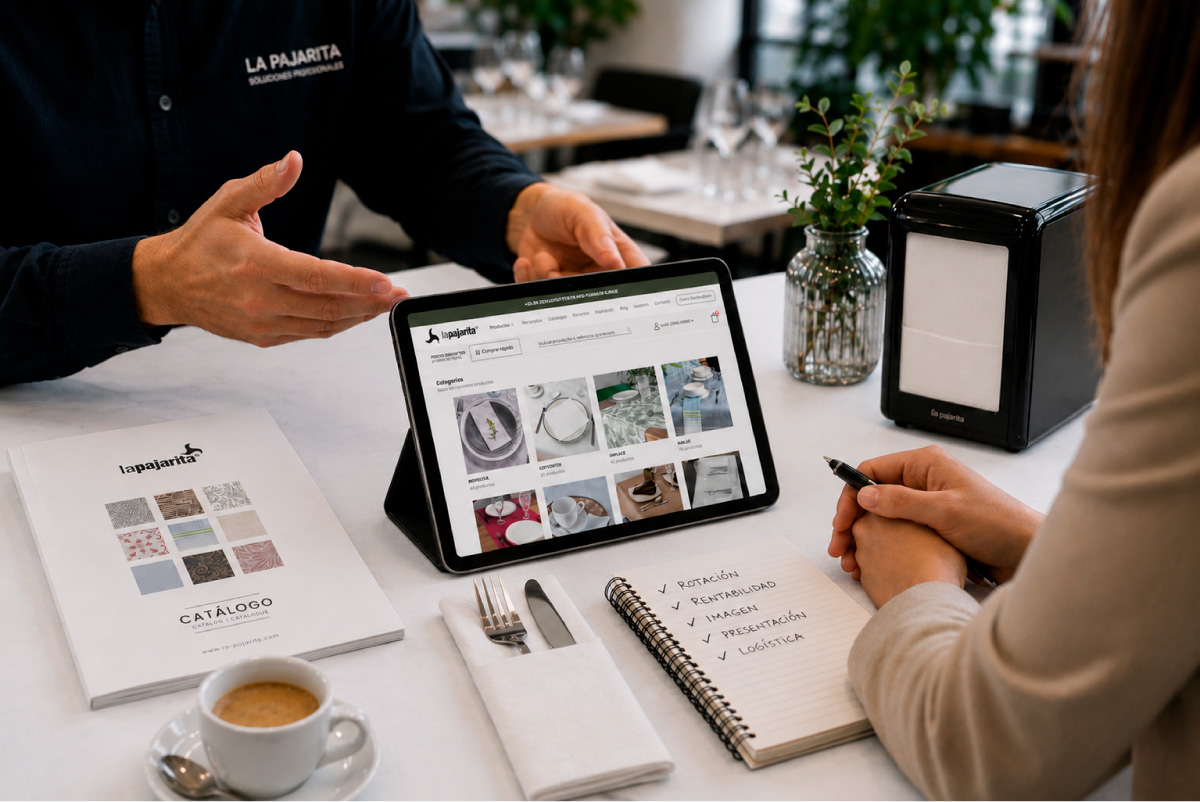
From Supplier to Strategic Partner

HORECA clients are increasingly seeking partners who can help them improve their business.

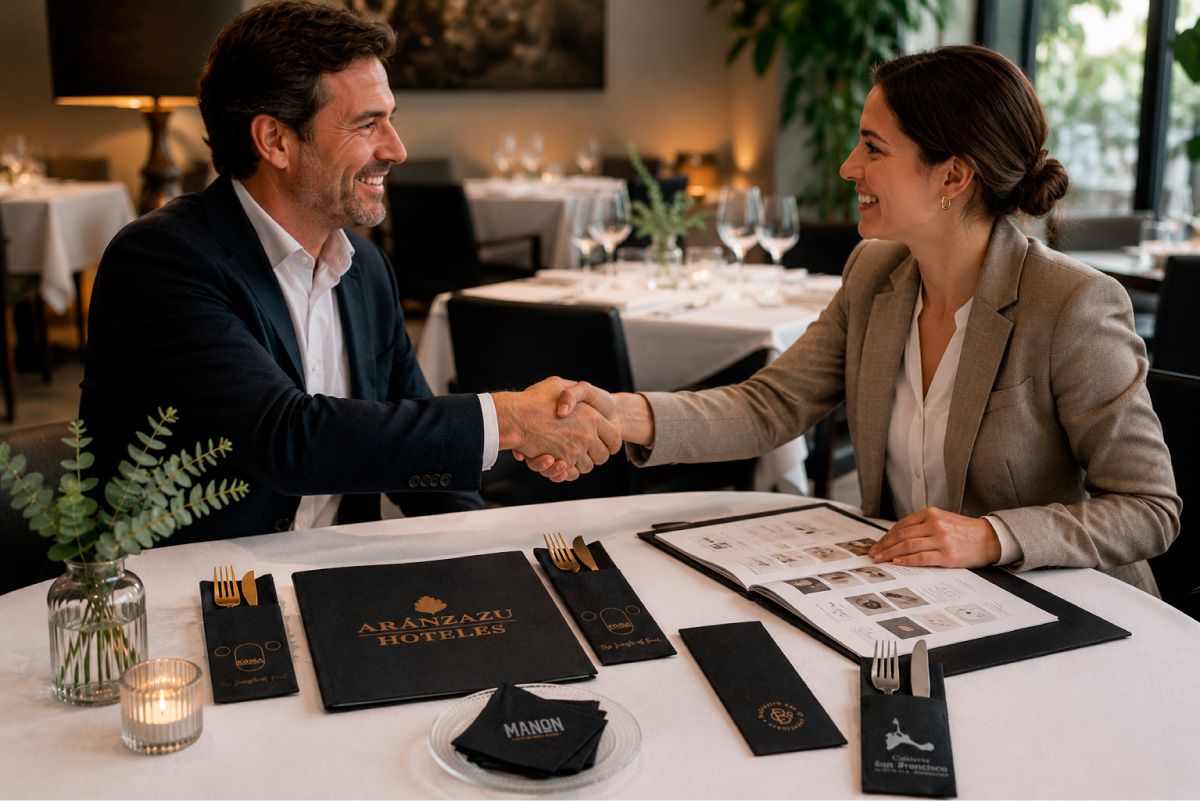
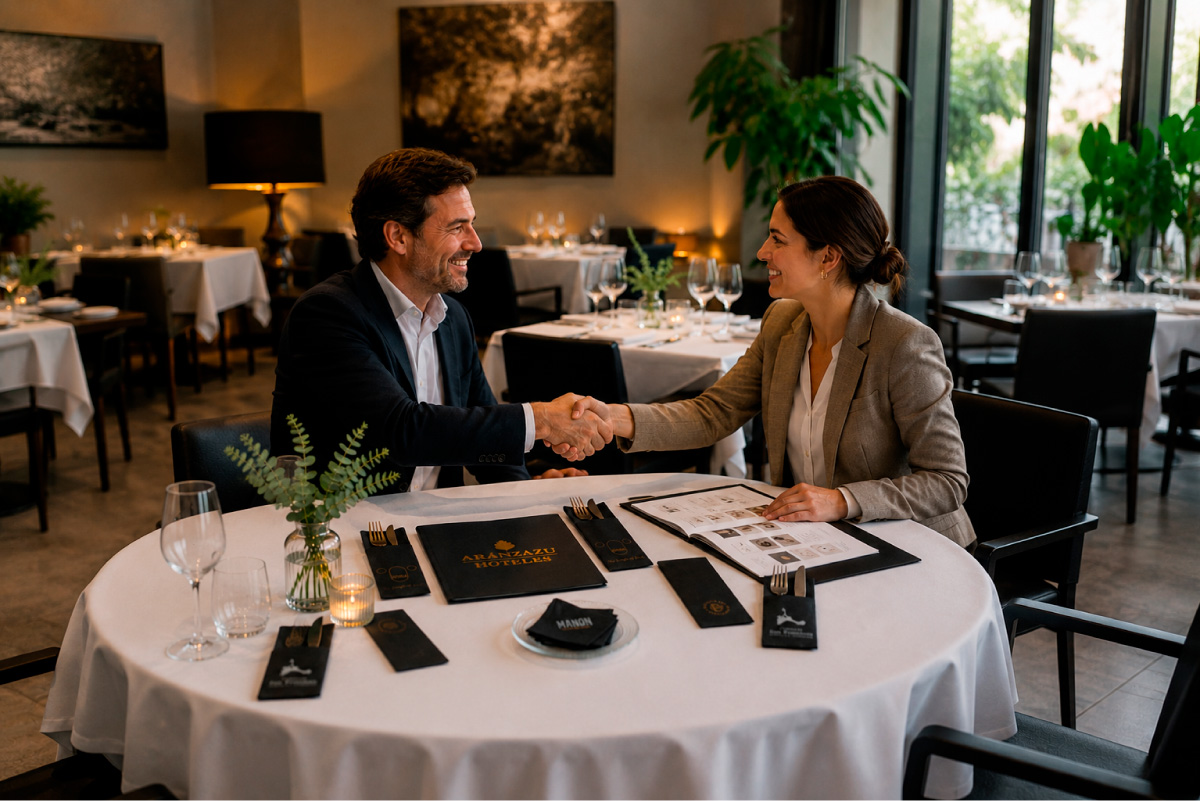
This means moving away from the traditional model based solely on product sales and evolving towards a more consultative relationship.

Some questions that can help you identify opportunities are:

  • Am I helping my clients differentiate themselves? 
  • Am I providing them with ideas to improve the dining experience? 
  • Am I sharing industry trends and innovations? 
  • Am I providing them with tools to better communicate their value proposition to the consumer?

When the answer is yes, the conversation shifts away from focusing exclusively on price.

The Dining Experience as a Differentiating Factor

One of the most visible aspects for the end customer is the experience they have during service.

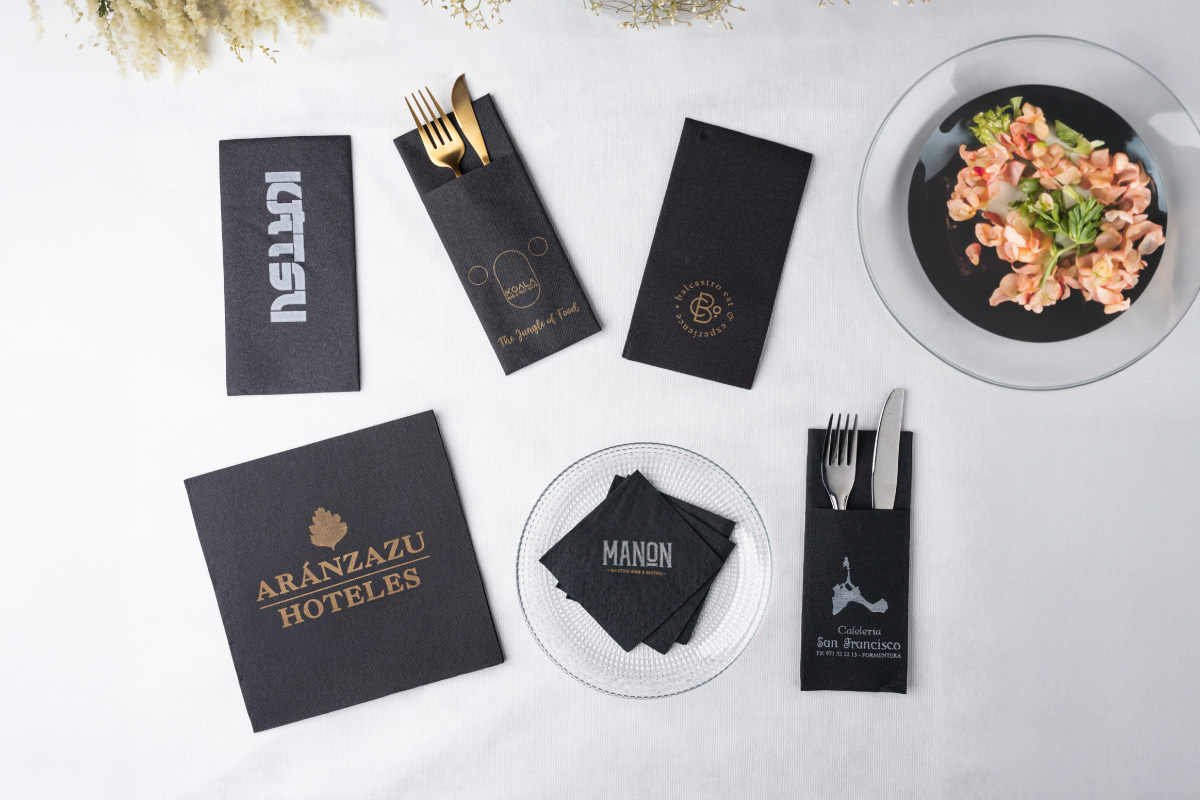
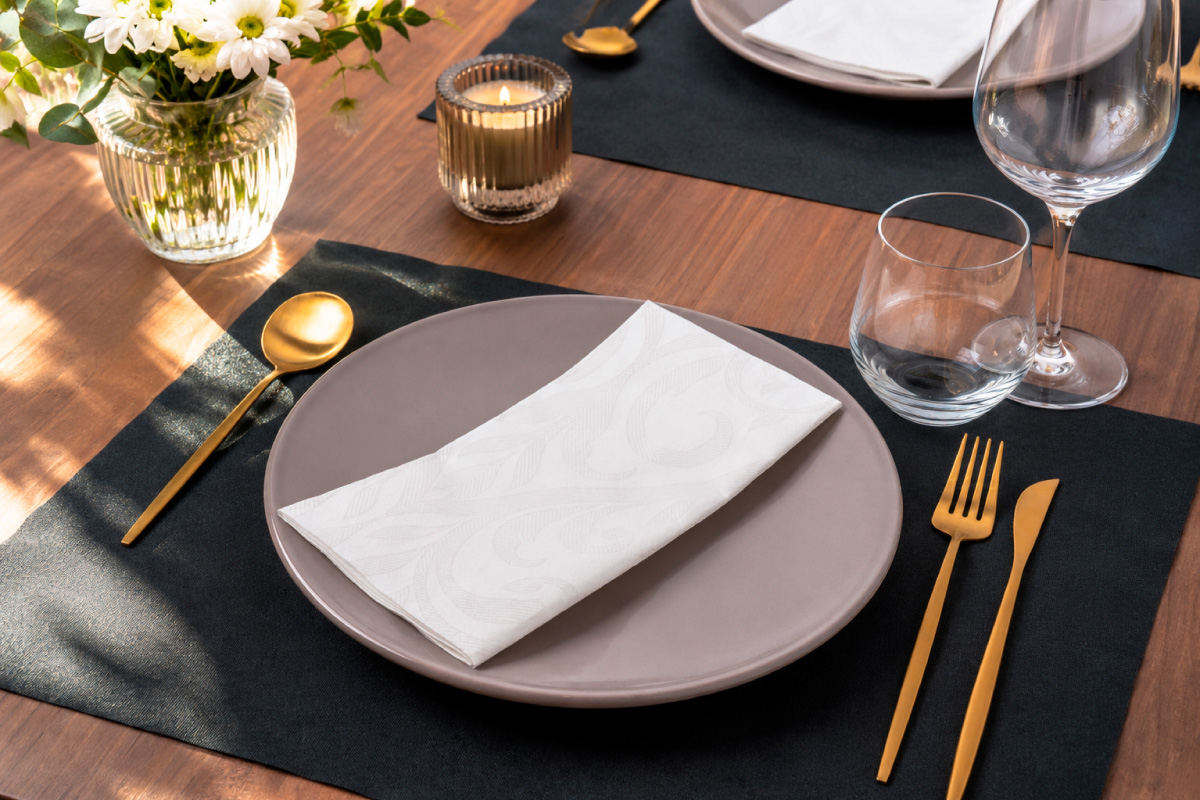
Seemingly simple elements such as napkins, tablecloths, cutlery holders, and presentation solutions contribute to reinforcing the establishment’s image and conveying professionalism.

The choice of materials can also make significant differences in the customer’s perception, helping to adapt the experience to the positioning and style of each business.

For the distributor, this represents an opportunity to generate added value:

  • Recommending materials adapted to each type of business. 
  • Proposing distinctive designs. 
  • Introducing more sustainable solutions. 
  • Helping to improve the perceived quality of the establishment.

When a product contributes to improving the end customer’s experience, it ceases to be a simple consumable and becomes a positioning tool.

The dining experience directly influences the perceived value of the establishment, helping to reinforce the brand image, better justify the price, and generate a more memorable experience for the customer.

Investing in Sustainability with a Strategic Mind

Sustainability has moved beyond a trend to become a growing market expectation.

However, many businesses still have doubts about which solutions are truly sustainable and which offer tangible benefits.

Distributors who can clearly explain aspects such as:

  • Certified materials. 
  • Compostable or biofluid-resistant options. 
  • Waste reduction. 
  • Logistics optimization. 
  • Reduced environmental impact.

provide knowledge that builds trust and strengthens business relationships.

Innovation also generates profitability

Innovation doesn’t always mean developing revolutionary products.

Often, it involves identifying small improvements that offer efficiency, convenience, or differentiation.

New formats, customized solutions, improved presentation, or higher-performing materials can become valuable selling points, helping clients evolve their offerings.

Choosing the right formats can also improve client profitability by optimizing the user experience, tabletop presentation, and operational efficiency, depending on the type of establishment.

Distributors that consistently incorporate new products are often perceived as dynamic and forward-thinking companies.

Building Long-Term Relationships

Sustainable profitability stems from strong business relationships.

A customer who perceives real value from their supplier typically demonstrates:

  • Greater loyalty.
  • Less price sensitivity.
  • Greater willingness to try new products.
  • Higher purchase volume in the medium term.

Therefore, strengthening the value proposition should not be seen as a one-off action, but as an ongoing strategy based on listening, advising, and providing relevant solutions.

Mistakes that Weaken a Distributor’s Value Proposition

Certain practices can hinder differentiation and increase price pressure:

  • Competing solely on cost.
  • Failing to provide advice.
  • Offering the same solutions as the rest of the market.
  • Not sharing trends or new developments.
  • Not helping the customer improve their business.

When the relationship is based exclusively on price, building long-term loyalty becomes much more difficult.

Conclusion

In an increasingly competitive market, true differentiation lies not only in the product catalog or price.

Distributors who manage to stand out are those capable of becoming strategic partners for their clients, contributing knowledge, innovation, sustainability, and solutions that improve the experience in the HORECA channel.

Because when perceived value increases, profitability ceases to depend exclusively on price and begins to be built on stronger and more lasting relationships.

Frequently Asked Questions about Value Proposition in HORECA Distribution


How can a HORECA distributor differentiate itself beyond price?

Differentiation is usually built through consulting, innovation, reliability of supply, and the ability to help clients improve their business and the experience of their own customers.

Why is competing solely on price a risk?

Because it reduces margins, hinders customer loyalty, and makes the business relationship more vulnerable to other suppliers with similar offers.

What aspects do HORECA channel customers value most?

In addition to price, establishments typically value responsiveness, product availability, professional advice, innovation, and the ability to resolve problems effectively.

How can a distributor add more value for its customers?

By sharing industry trends, recommending solutions tailored to each business, providing technical expertise, and helping to improve the end-customer experience.

What is the relationship between table experience and profitability?

A better table experience helps strengthen the establishment’s image, increase perceived value, and facilitate differentiation from the competition—aspects that can have a positive impact on profitability.

Looking for new ways to add value for your HORECA customers?

Discover our solutions in napkins, tablecloths, and tableware designed to help distributors and establishments stand out, improve the customer experience, and generate new business opportunities. Contact our team and find out how we can help you.

Comment


Privacy Overview

This website uses cookies so that we can provide you with the best user experience possible. Cookie information is stored in your browser and performs functions such as recognising you when you return to our website and helping our team to understand which sections of the website you find most interesting and useful.