+2% EXTRA DISCOUNT FOR BUYING ONLINE


How to increase perceived value in a restaurant

20 April 2026

In the hospitality industry, customers don’t just pay for what they consume, but also for how they perceive it. The table experience, the presentation, and the small details directly influence the perception of quality and, therefore, the value the customer is willing to pay.

Knowing how to increase the perceived value in a restaurant has become a priority for businesses that want to improve profitability without engaging in price wars.

The good news is that there are very effective levers—especially in table presentation—that allow you to transform the customer experience without major investments.

In this article, we’ll show you how to improve the perception of your restaurant through key elements such as tablecloths, napkins, and presentation, reinforcing your image and differentiation in the Horeca sector.
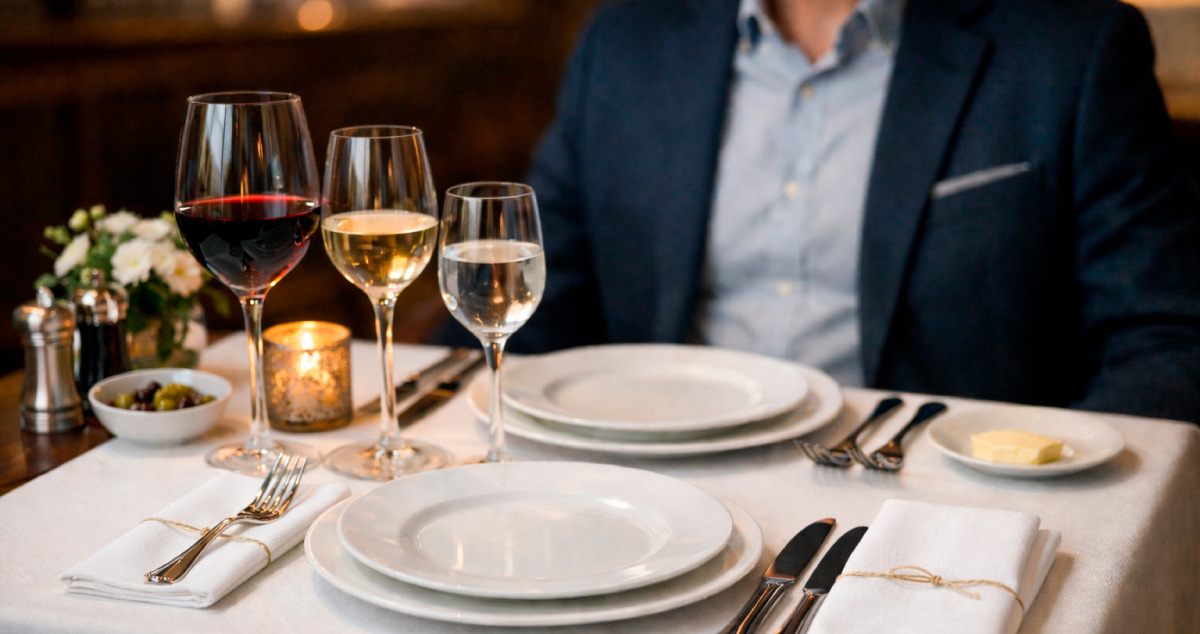
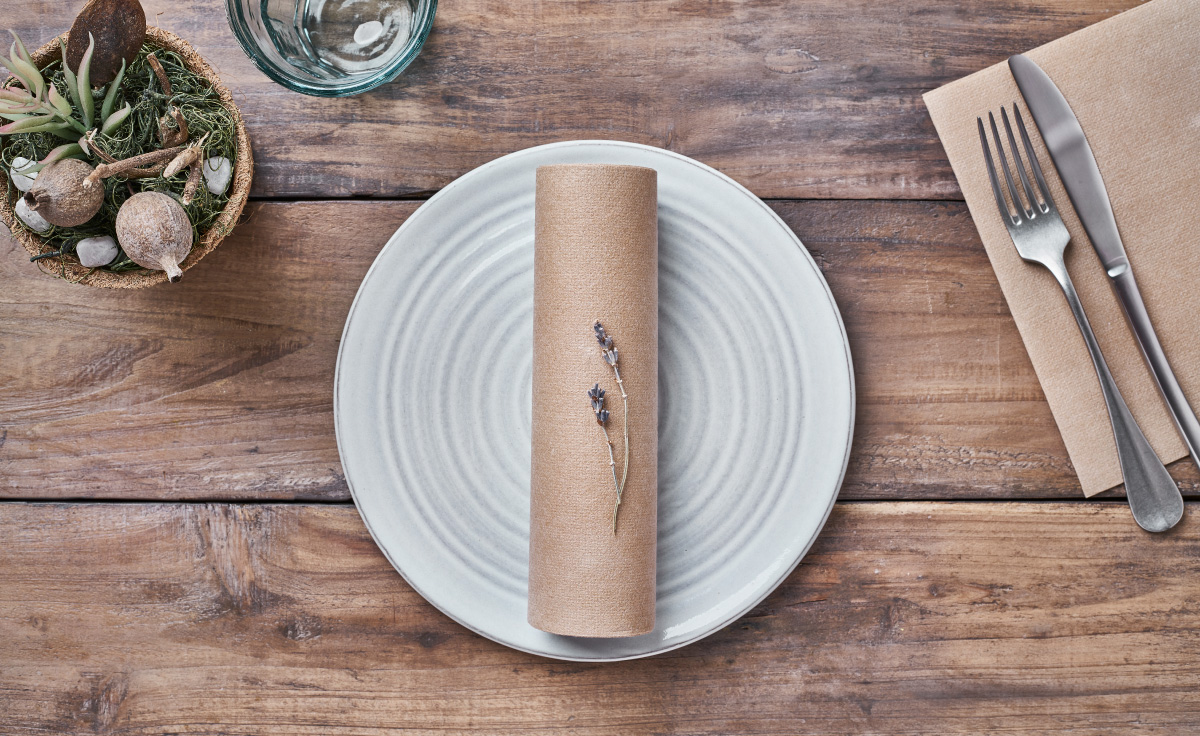
A restaurant dining experience with meticulous presentation and premium details

The Importance of the Dining Experience in Restaurants

The table is one of the most important points of contact between the customer and your business.

Before even tasting the food, the customer is already evaluating:

  • The level of care taken in the restaurant
  • The consistency of the concept
  • The professionalism of the service
  • The overall feeling of quality

A well-presented table conveys confidence, order, and attention to detail. All of this directly contributes to improving the customer’s experience in the hospitality industry and, consequently, their perception of the price.

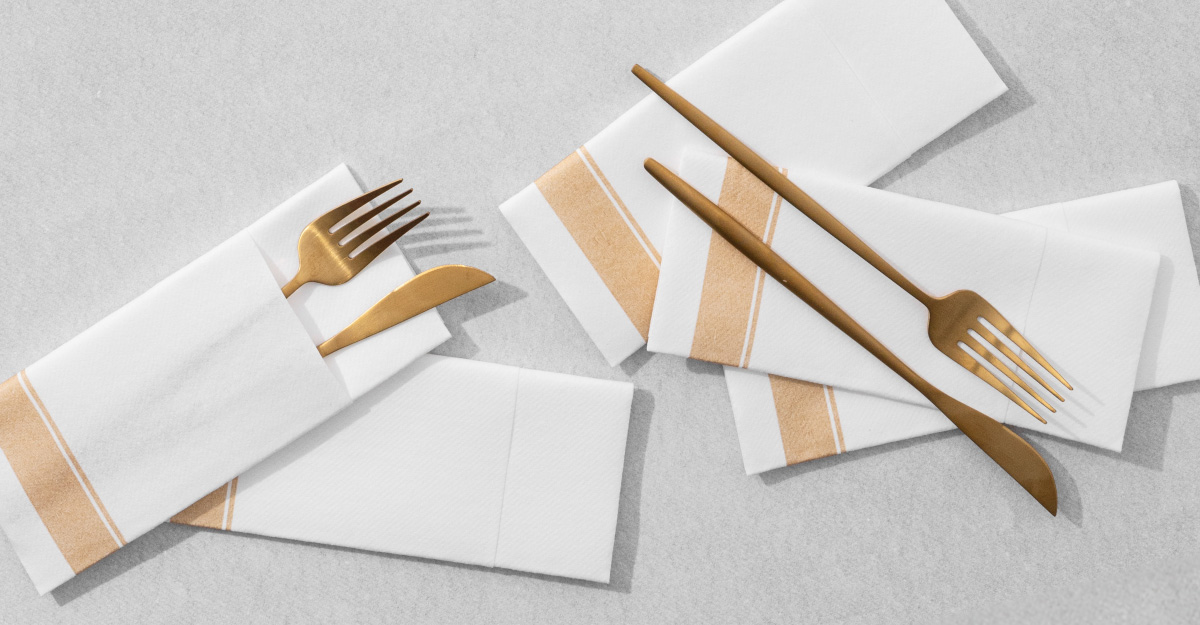
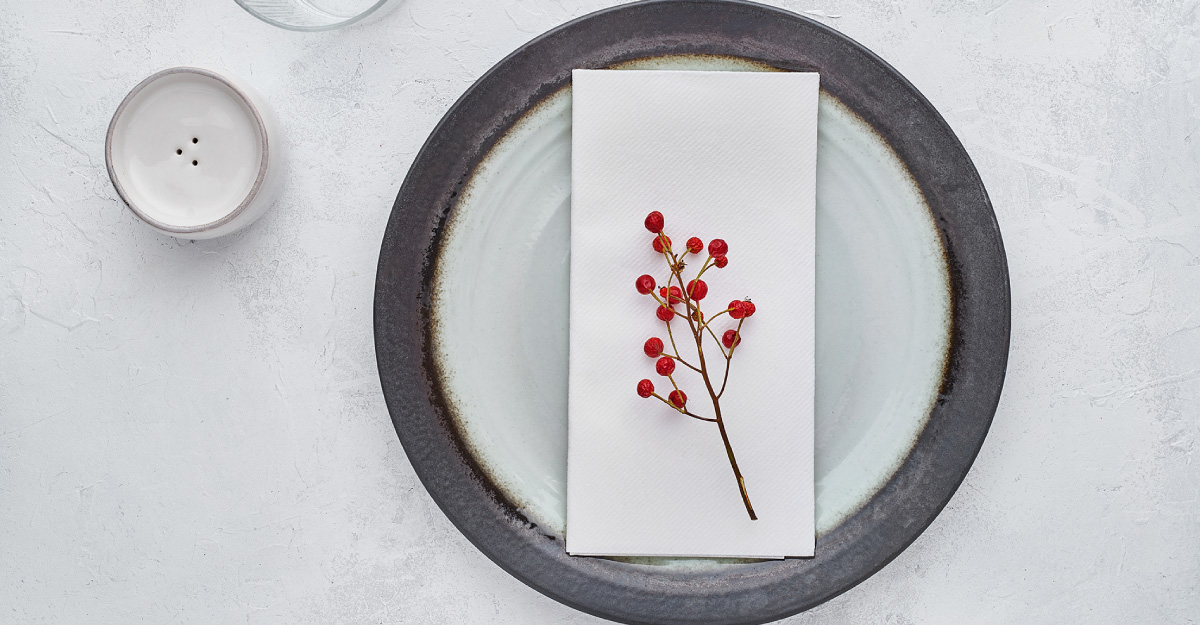
Detail of an Airlaid napkin on a restaurant table that enhances the presentation

How to Improve Perceived Value in a Restaurant with Small Details

You don’t need to make big changes to create a real impact.

Things like:

  • Well-chosen placemats
  • Heavy-duty, attractive napkins
  • Consistent presentation
  • Cleanliness and visual order

can completely transform the customer’s perception.

These details don’t significantly increase costs, but they do influence a key factor:
👉 the perception of quality in restaurants

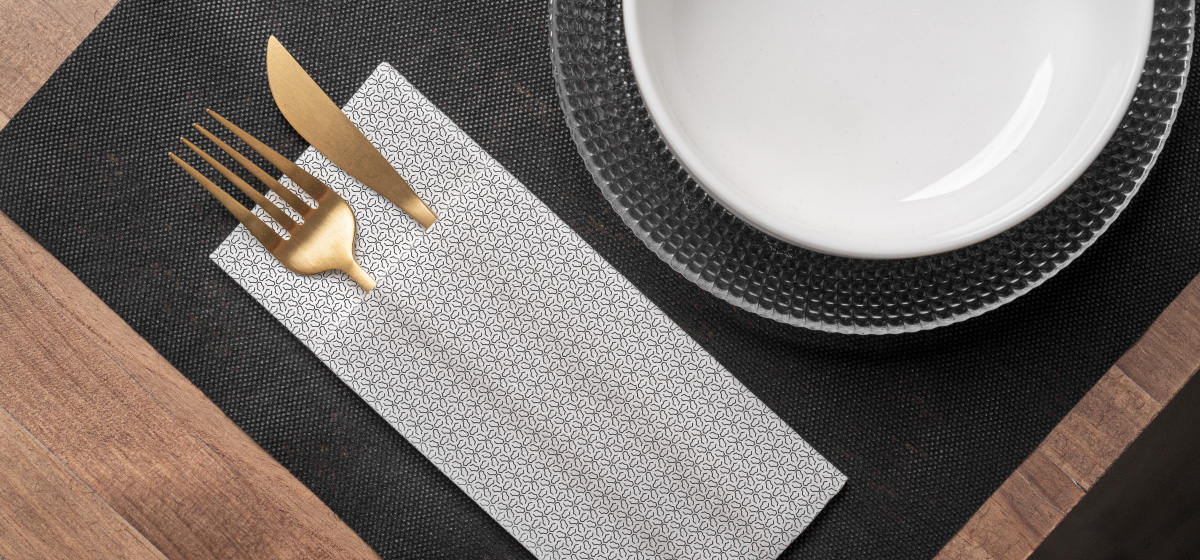
Airlaid napkins for the hospitality industry with a premium finish and fabric-like texture

Premium Napkins and Tablecloths to Enhance Perceived Value

One of the most effective changes in the hospitality industry is the choice of materials.

Replacing basic options with more refined solutions, such as:

  • Airlaid (non-woven) napkins
  • Kangaroo-style cutlery holders
  • Textured placemats, allows you to elevate the level of service without significantly increasing the cost per service.

The customer perceives:

  • Greater hygiene
  • Higher quality
  • Greater attention to detail

And this directly impacts the experience and the overall rating of the restaurant.

If you want to delve deeper into the differences between materials, you can consult our guide on the differences between Tissue, Airlaid, and Novotela for the hospitality industry.

You can also analyze the comparison between paper and fabric tablecloths in the hospitality industry to make a more strategic decision.

Restaurant table with aesthetic coherence that reinforces the brand image

Aesthetic Consistency in Restaurants: Key to Strengthening Your Brand

One of the most common mistakes is a lack of consistency in table setting.

When there is a clear line in:

  • Colors
  • Materials
  • Presentation Style

the business’s identity is reinforced.

Aesthetic consistency helps to:

  • Improve brand image
  • Create brand recall
  • Convey professionalism

In a competitive environment, this consistency makes all the difference.

Unique table setting in a restaurant with a napkin holder for cutlery

How to Differentiate Your Restaurant Without Competing on Price

Many restaurants fall into the trap of price wars. However, competing solely on price reduces margins and hinders growth.

The alternative is clear:

It’s not about being the cheapest, but about offering more value.

Through table presentation, you can:

  • Differentiate yourself from the competition
  • Better justify your prices
  • Increase the average check
  • Improve the overall perception of service

All this without modifying the menu or significantly increasing costs.

Mistakes that Reduce Perceived Value in a Restaurant

Some common mistakes that negatively affect customer perception are:

  • Using basic materials inconsistent with the restaurant’s concept
  • Lack of uniformity on the table
  • Weak or poorly presented napkins
  • Aesthetic changes lacking visual coherence

Avoiding these mistakes is just as important as investing in improvements.

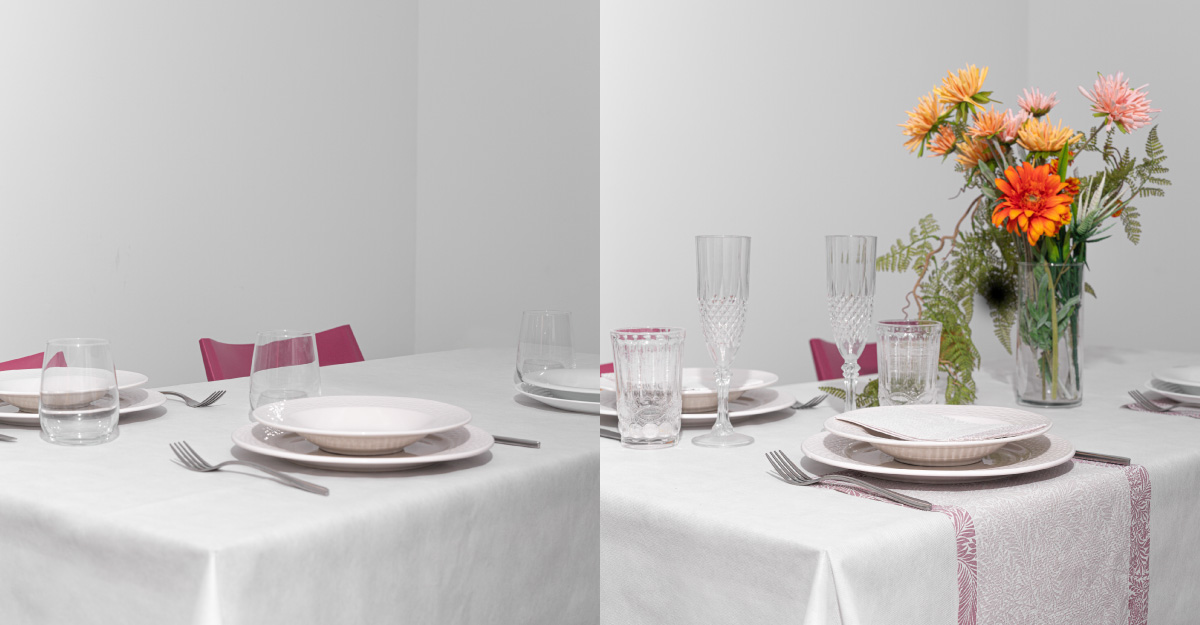
Comparison of restaurant table presentation before and after improving the details

Table Presentation in Restaurants: The Before and After in Customer Perception

The same dish can evoke completely different feelings depending on how the table is presented.

A basic table setting conveys:

  • Simplicity
  • Less attention to detail
  • A standard experience

While a well-presented table setting conveys:

  • Quality
  • Professionalism
  • A premium experience

This difference doesn’t depend on the food served, but rather on how it’s presented.

👉 This is where table presentation becomes a strategic tool for increasing perceived value.

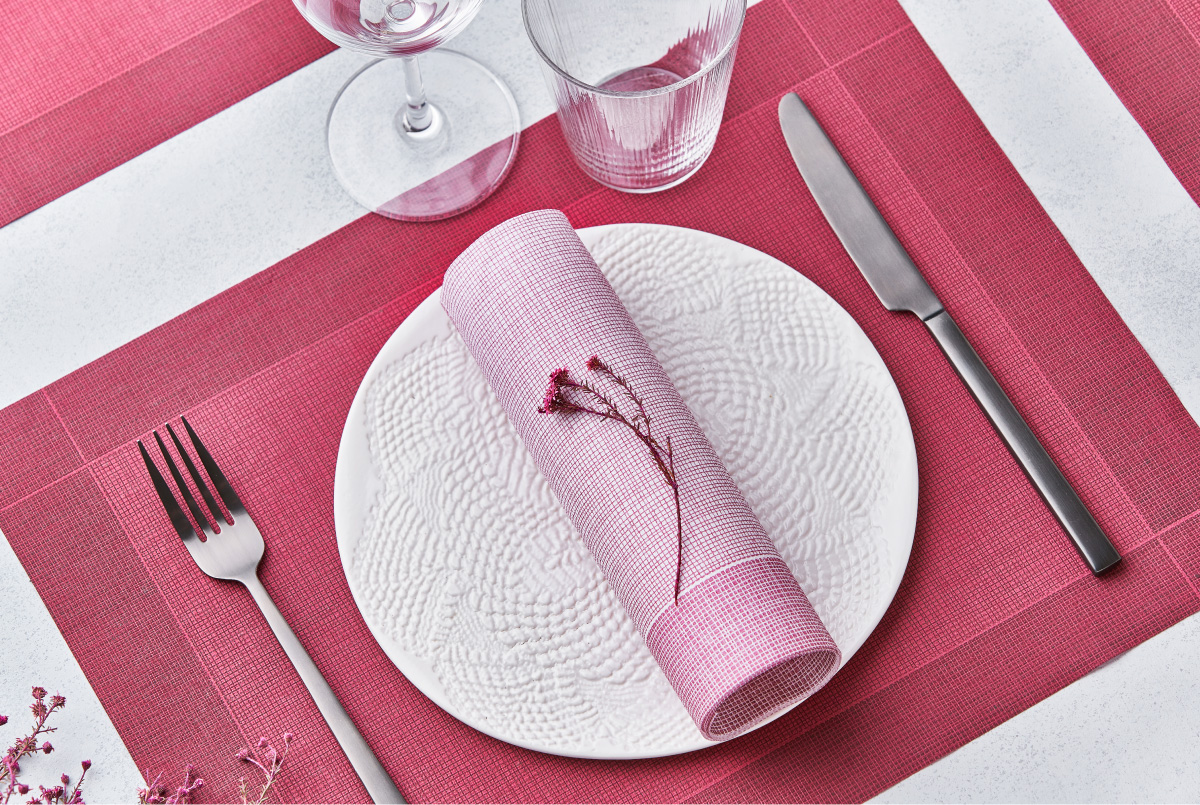
Restaurant table with a carefully curated presentation, ideal for sharing on social media.

The Table Setting as a Marketing and Social Media Tool

Today, the customer experience doesn’t end at the restaurant.

A beautifully presented and visually appealing table setting:

  • Invites guests to take photos
  • Is shared on social media
  • Generates organic visibility

This transforms every service into a marketing opportunity.

Investing in presentation not only enhances the experience but also contributes to promoting the business at no additional cost.

Premium restaurant table with elegant and careful presentation

Profitability in the Hospitality Industry: More Perceived Value, Same Cost Control

The goal isn’t to spend more, but to optimize investment.

When you improve customer perception:

  • Satisfaction increases
  • Service rating improves
  • Customer loyalty increases
  • Recommendations are facilitated

And all this with a very controlled impact on costs.


Conclusion: The Table as a Strategic Differentiation Tool

Increasing the perceived value in a restaurant doesn’t require large investments.

It requires strategy, consistency, and attention to detail.

Table presentation in restaurants is one of the most powerful elements for influencing the customer experience and their perception of price.

Because in the hospitality industry:

👉 What the customer perceives… is what they are willing to pay for.

FAQ – Frequently Asked Questions about Perceived Value in the Hospitality Industry


How to increase perceived value in a restaurant without raising prices?

By improving table presentation, using higher-quality materials (such as Airlaid napkins or placemats), and reinforcing the overall aesthetic consistency of the establishment. These are low-cost changes with a high impact on customer perception.


What elements most influence customer perception in the hospitality industry?

Primarily table presentation, cleanliness, the materials used (napkins, placemats), and the restaurant’s visual consistency.


Do napkins and placemats really influence the customer experience?

Yes. They are visible and directly touched elements that convey quality, hygiene, and attention to detail. They directly influence the overall perception of the service.


What type of napkins are most recommended for restaurants?

Airlaid (non-woven) napkins are one of the best options, as they combine a premium aesthetic, a good appearance, and a controlled cost compared to cloth.


How can a restaurant differentiate itself without competing on price?

By focusing on the customer experience: presentation, service, ambiance, and brand consistency. The table setting is one of the key elements to achieving this.

Comment


Privacy Overview

This website uses cookies so that we can provide you with the best user experience possible. Cookie information is stored in your browser and performs functions such as recognising you when you return to our website and helping our team to understand which sections of the website you find most interesting and useful.